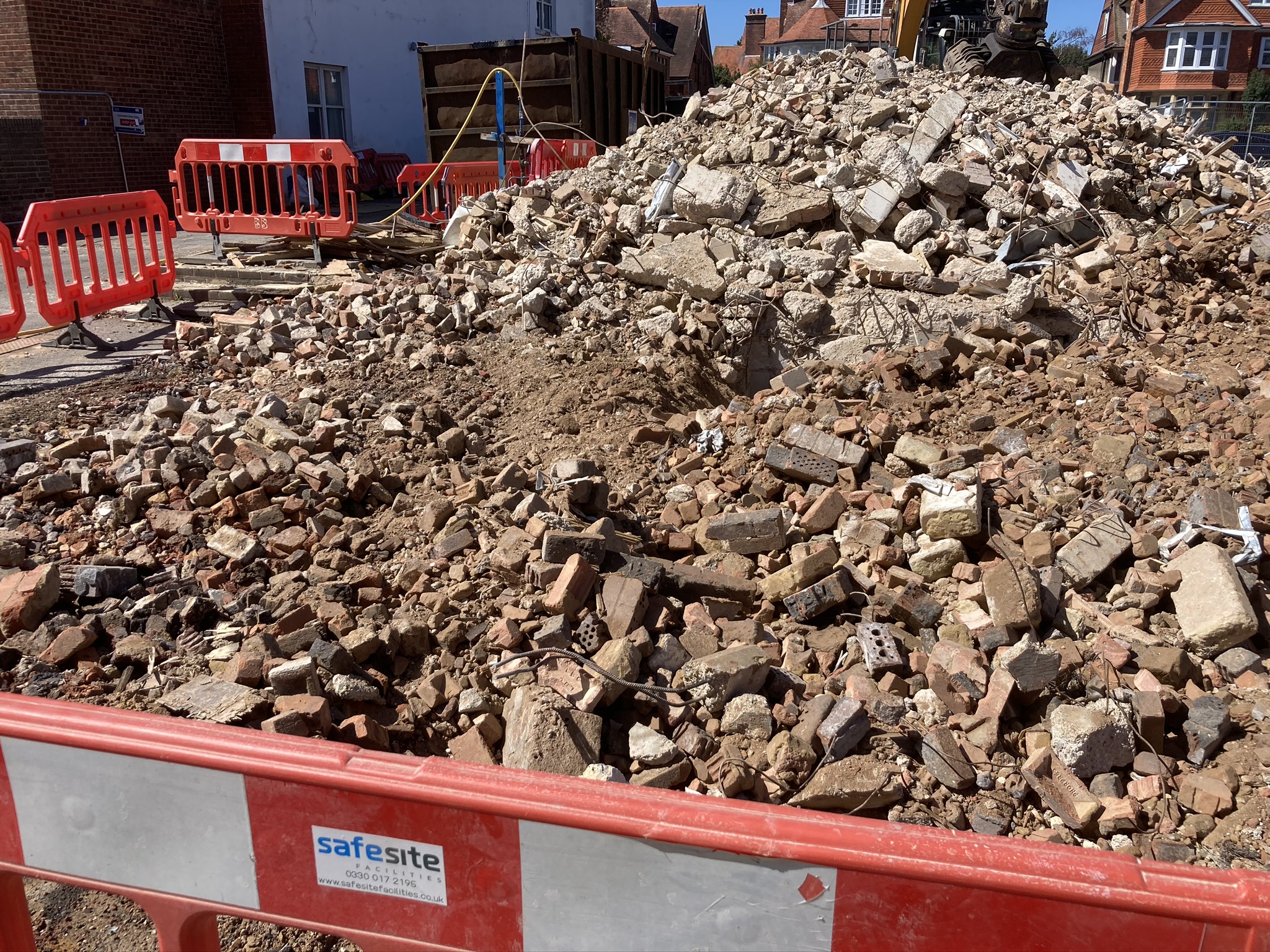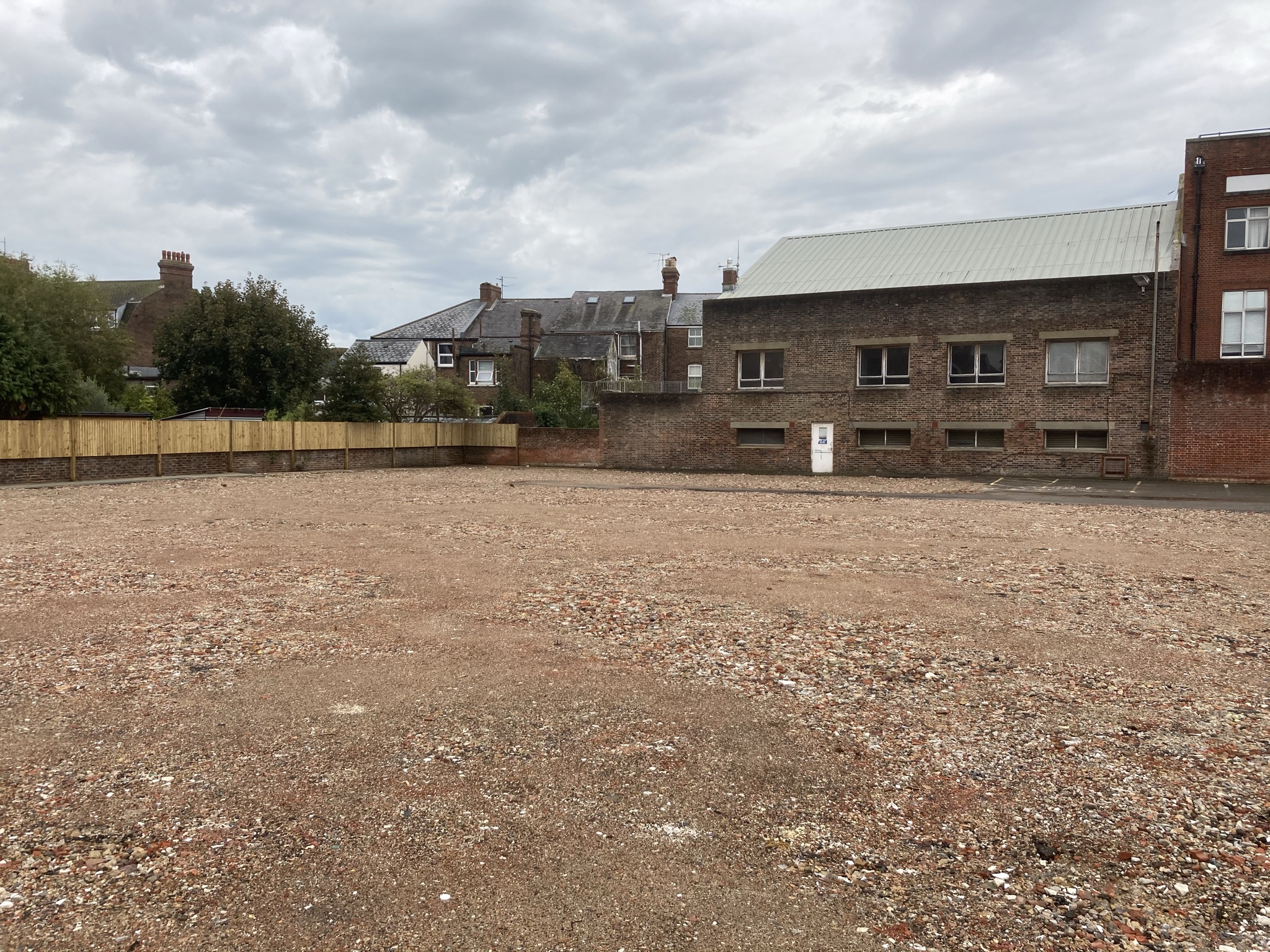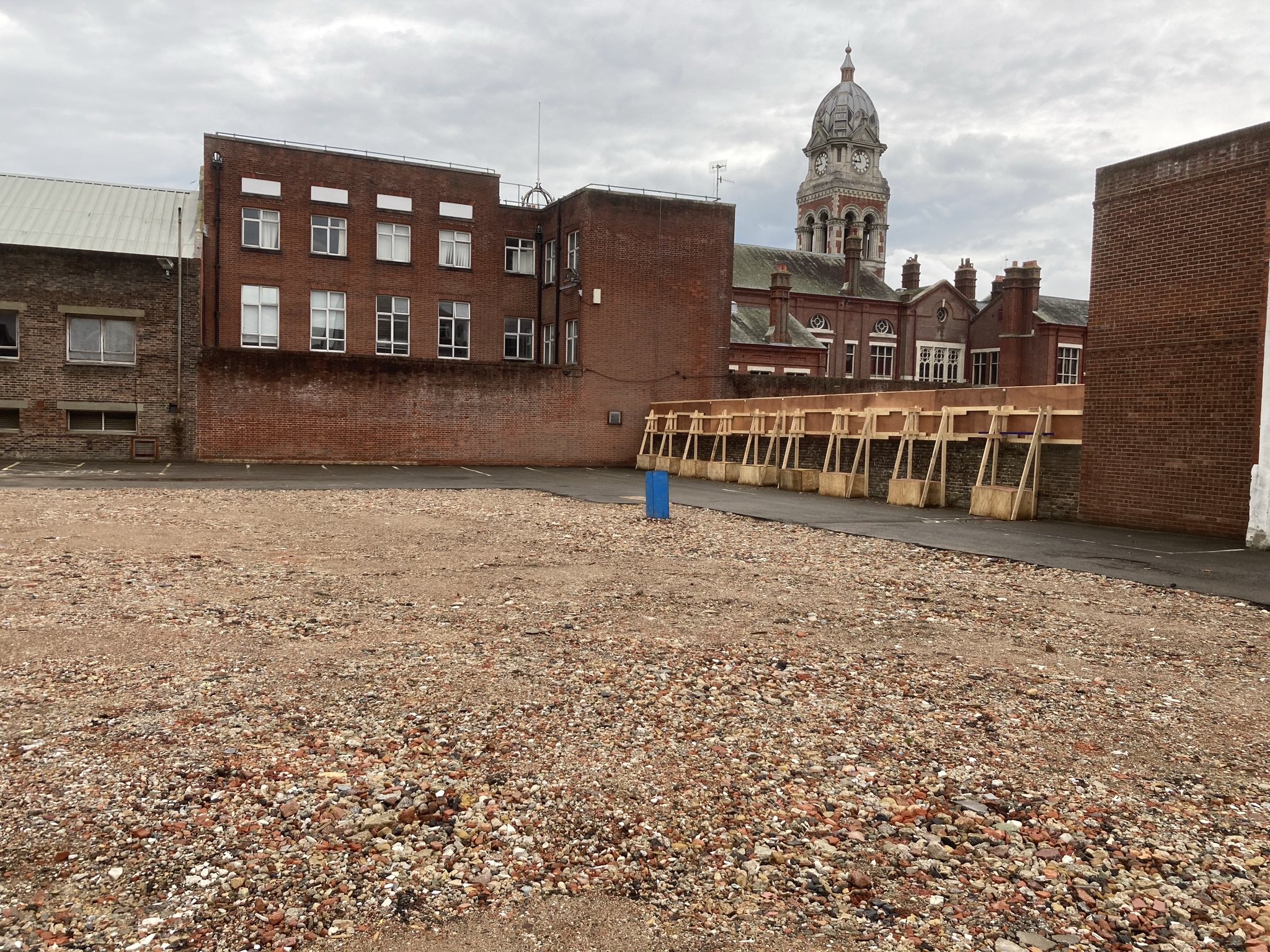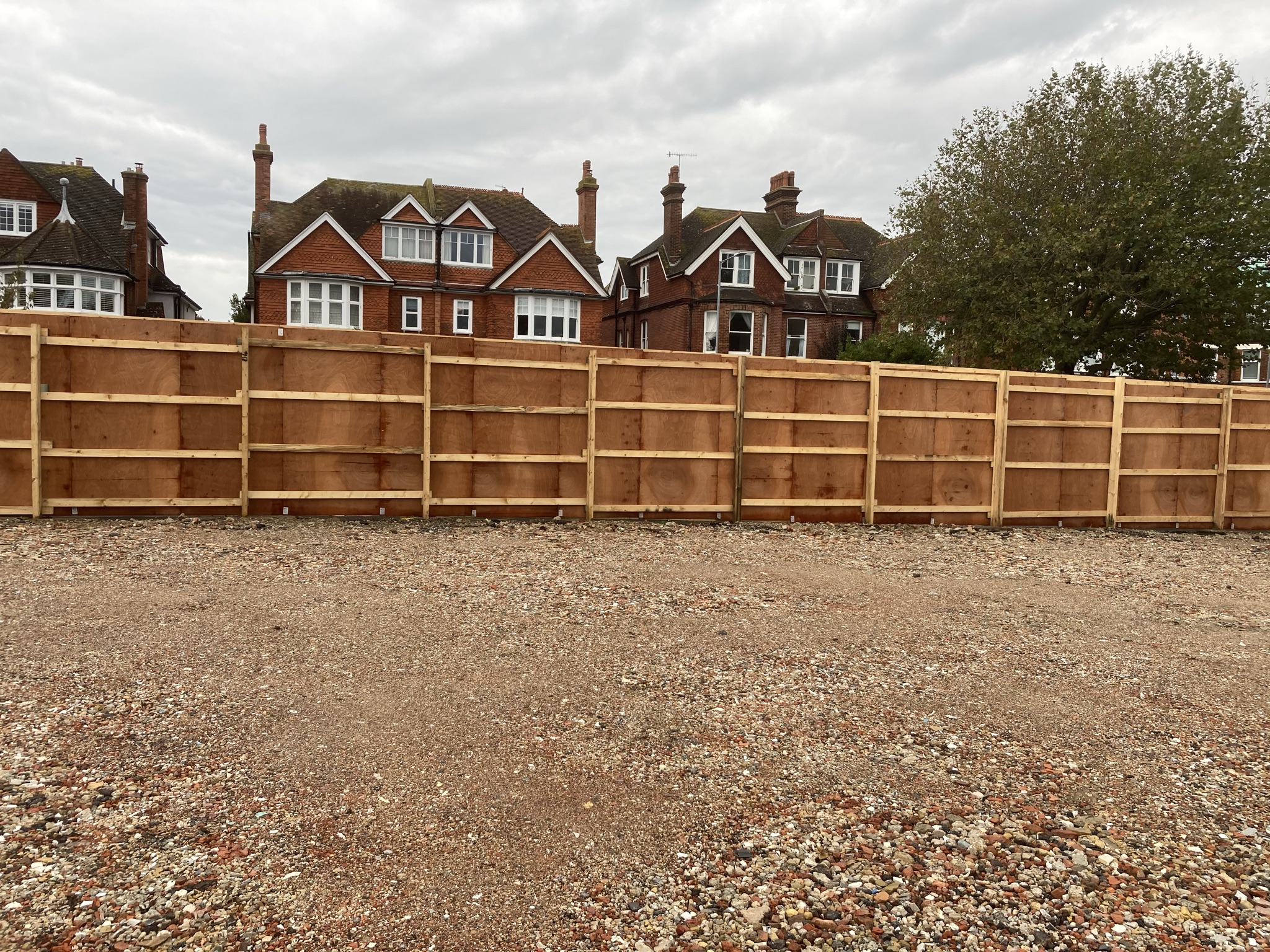

As part of a relocation project for the Eastbourne Magistrates Courts to a newly constructed, purpose-built facility, the original building became redundant and was deemed economically unfeasible to refurbish. This led to a decision to fully demolish the existing structure, and our team secured the project through a competitive tendering process facilitated by the local council’s secure portal.
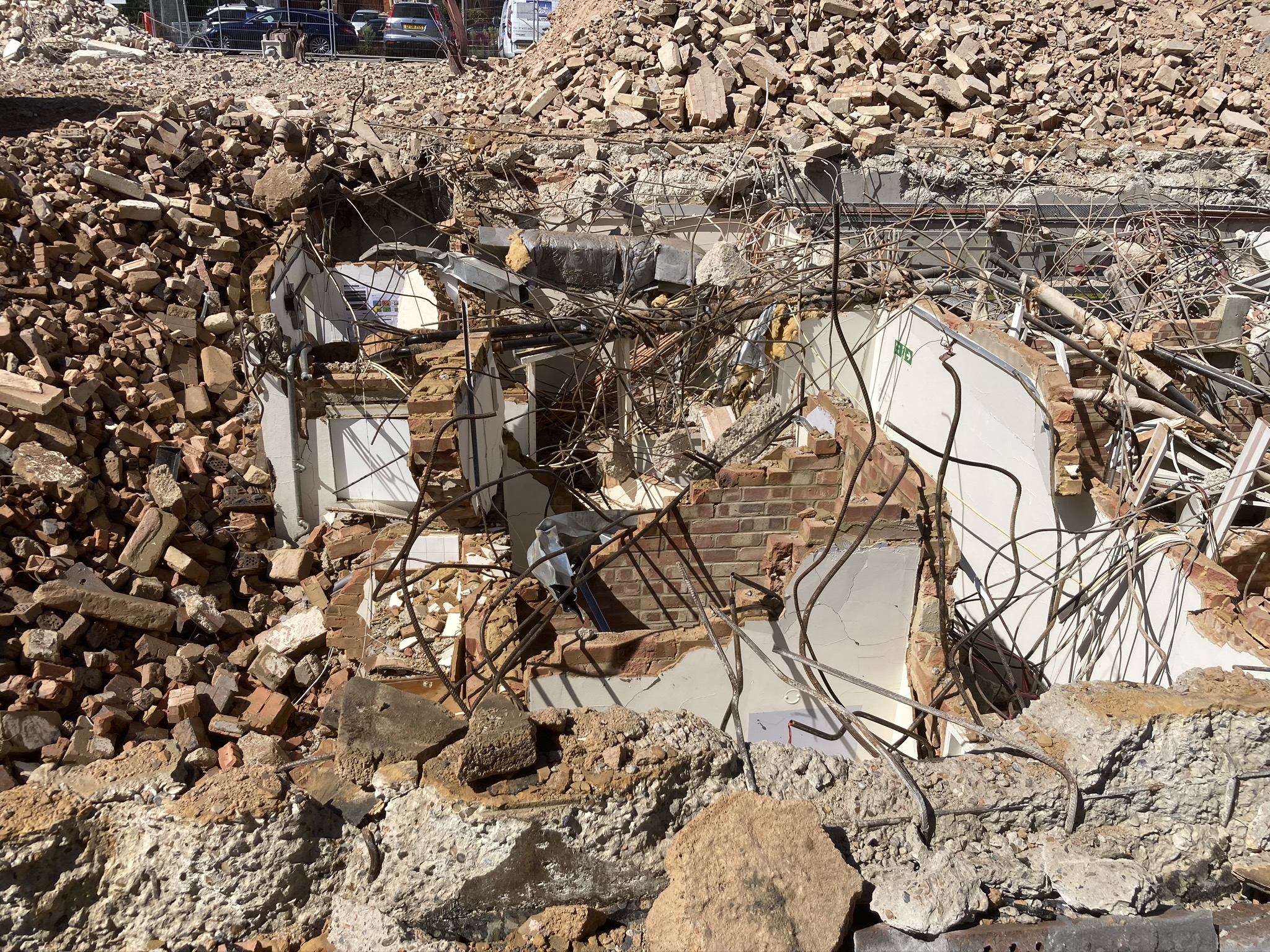
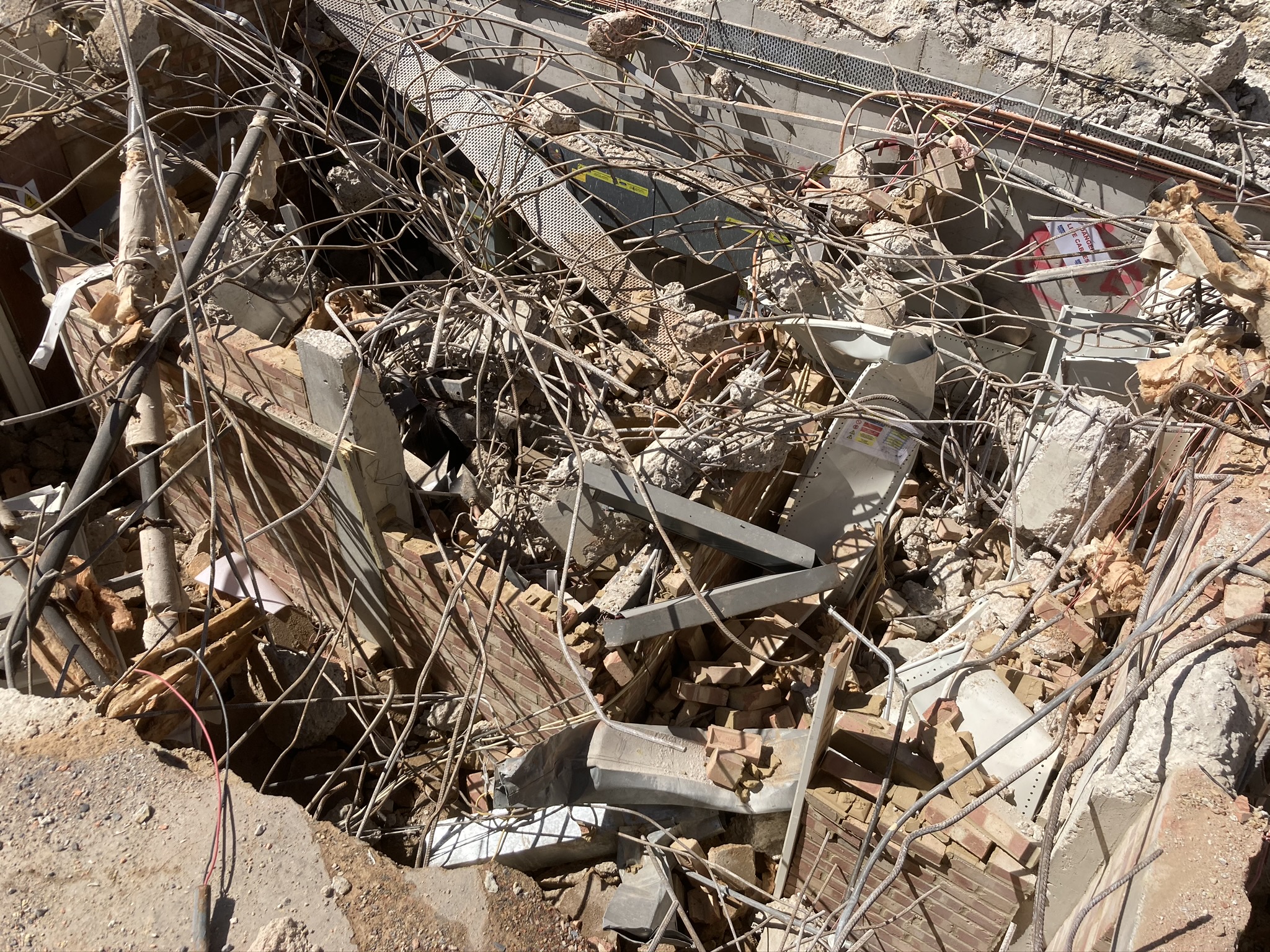
The project involved the complete demolition of a building that had previously housed holding cells for prisoners, four courtrooms, interview rooms, administrative offices, and various other spaces. Given its former high-security use, the structure contained reinforced sections, including concrete boxes with steel doors, which required specialised equipment and precise planning to dismantle effectively. The main structure was brick with concrete floors and roofs, while some of the later additions featured steel framing.
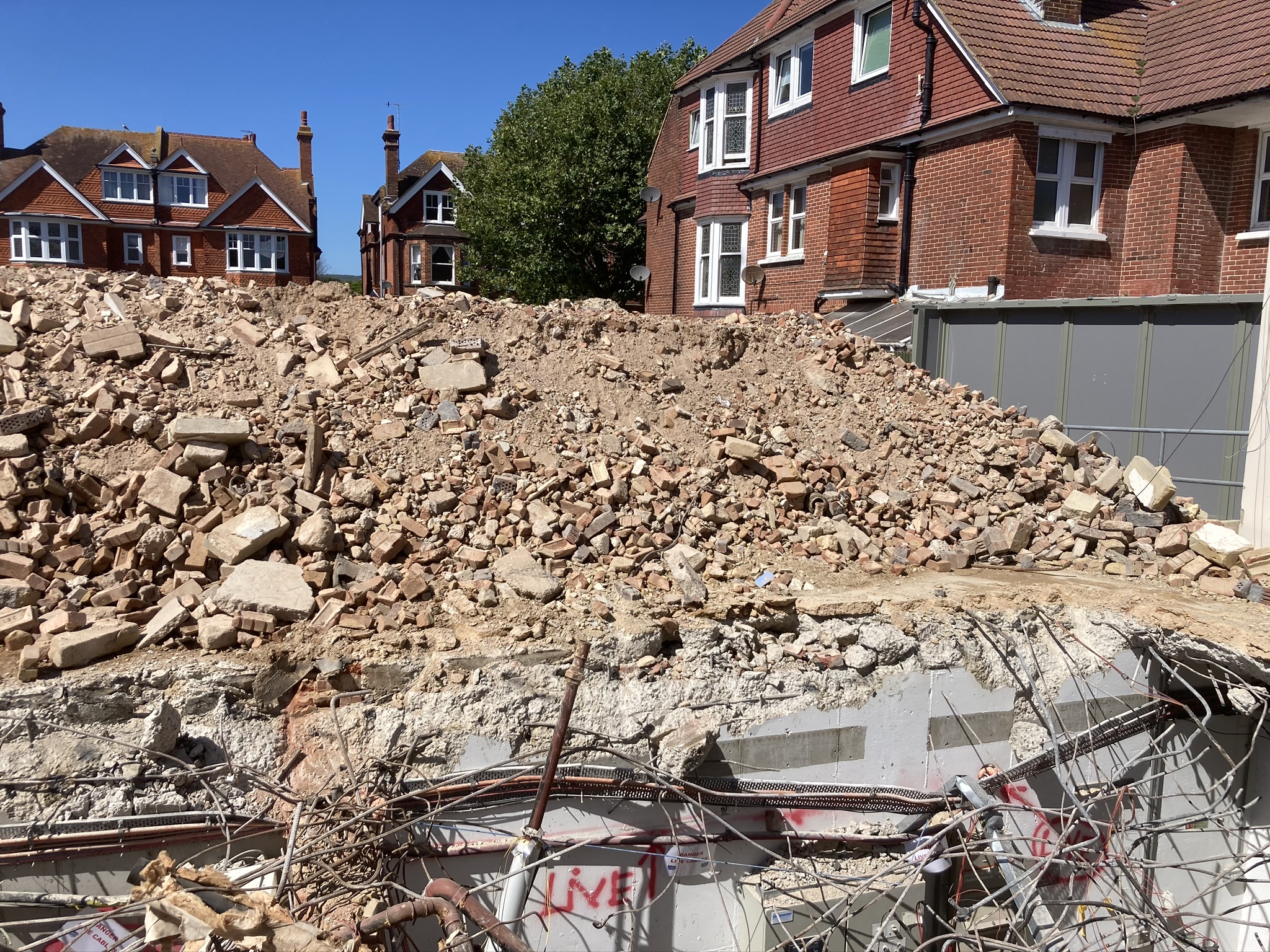
The location of the demolition site presented unique challenges, as it was in the central area of Eastbourne’s town centre, surrounded by residential buildings, shops, and other public amenities. Directly behind the site were the main council offices, further necessitating a cautious approach to minimise disruption to the surrounding community. Additionally, there was a car park nearby serving the town centre, making it essential to carefully manage public access and minimise inconvenience.
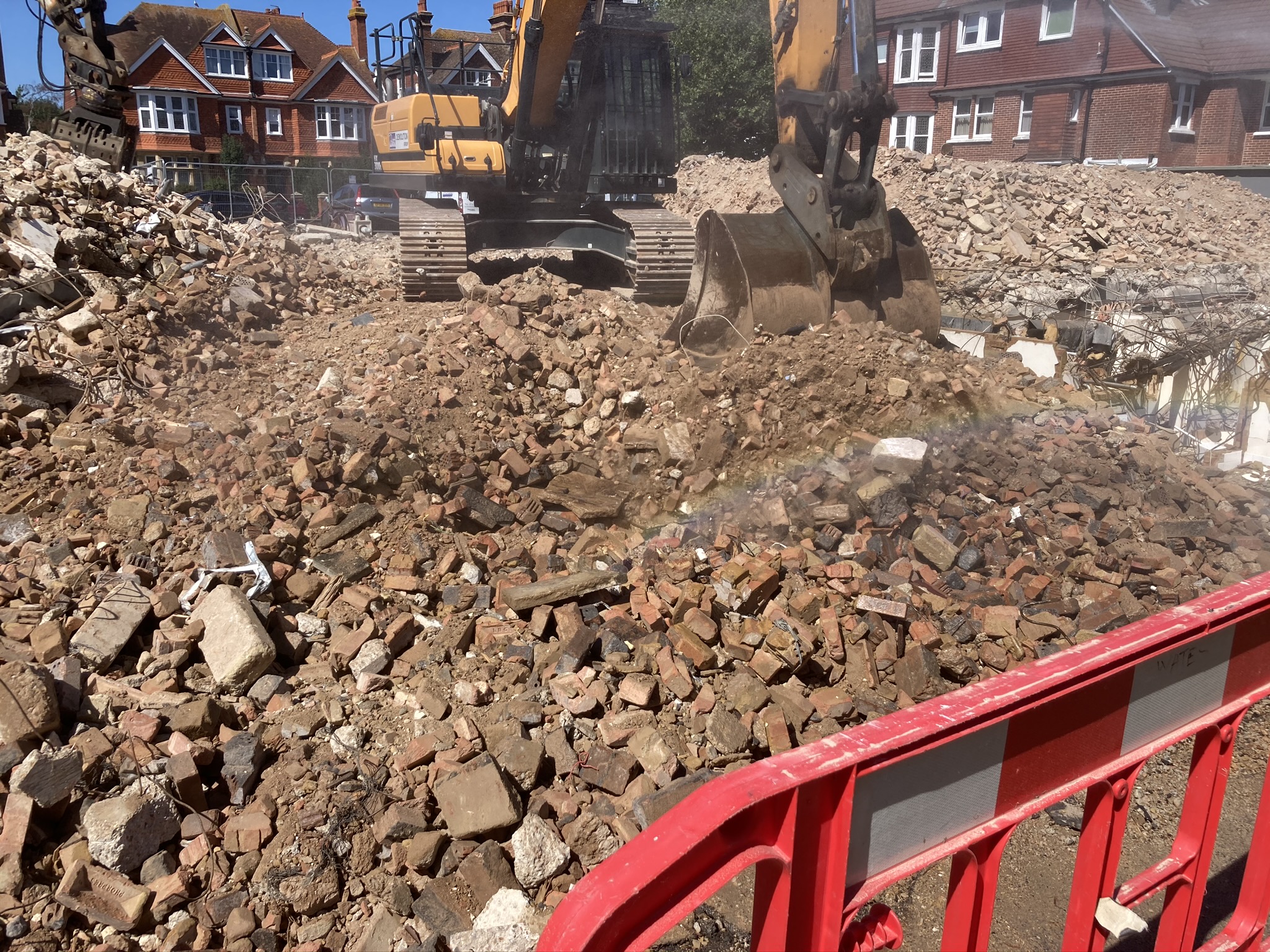
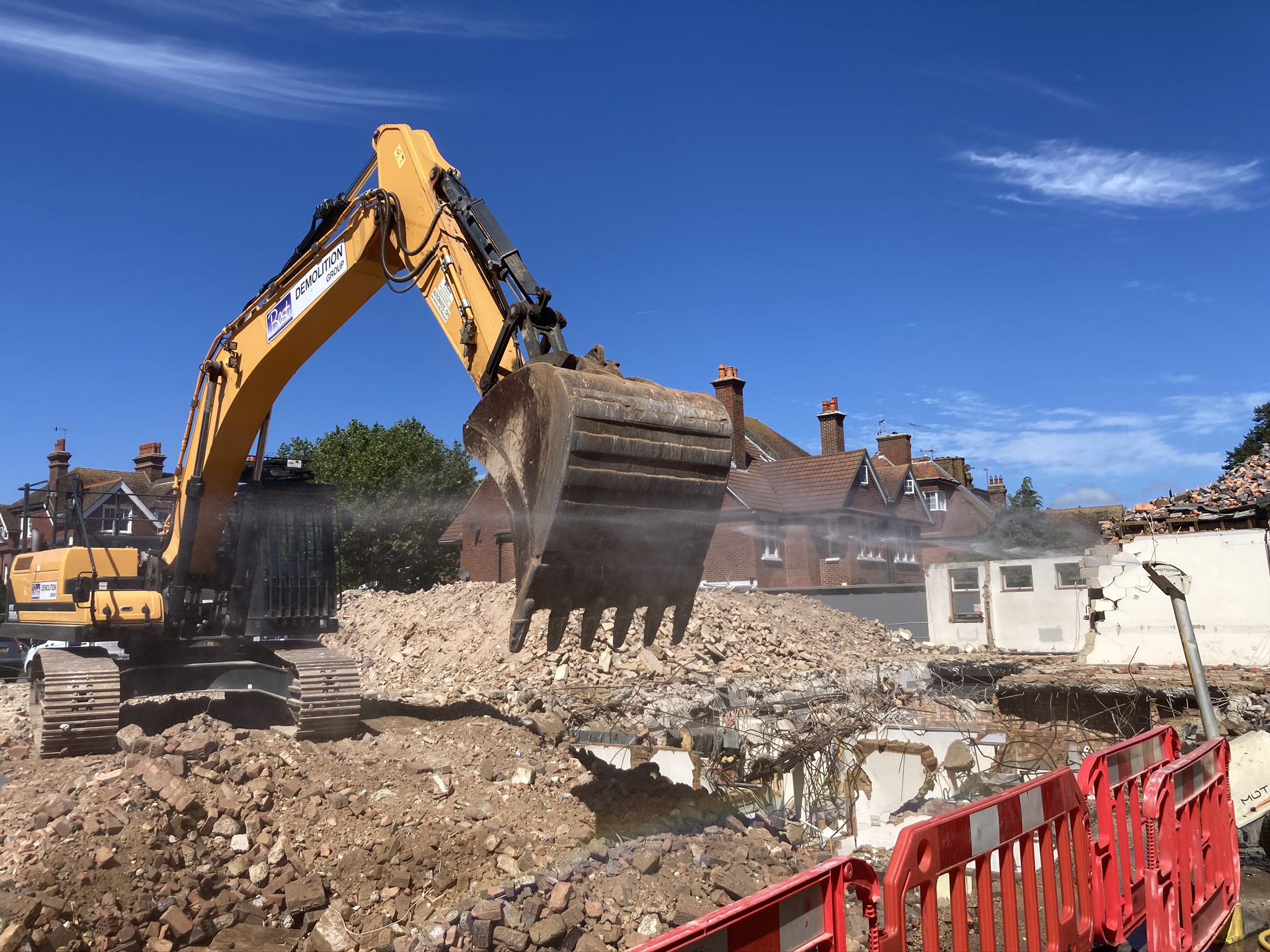
Our approach prioritised safety, dust control, and noise reduction. To protect neighbouring properties from potential dust and debris, we erected a three-story scaffold on the building’s northeast elevation. Alongside this, we used directional heavy water dust suppression systems to minimise airborne particles and reduce dust nuisance for nearby residents and businesses. These measures were critical given the building’s close proximity to residential and commercial areas.
Before commencing the demolition, the building was stripped of all non-structural elements, preparing it for safe dismantling. The demolition was conducted using 30-tonne excavators with multi-processor and grapple attachments, allowing for the efficient and controlled deconstruction of the building. We began work on the less densely populated side, using the building as a buffer to contain noise, and then progressed toward the scaffolded sections. Regular meetings with the client ensured they were fully informed of the programme’s progress and prepared to respond to any concerns from local residents or members of the public.
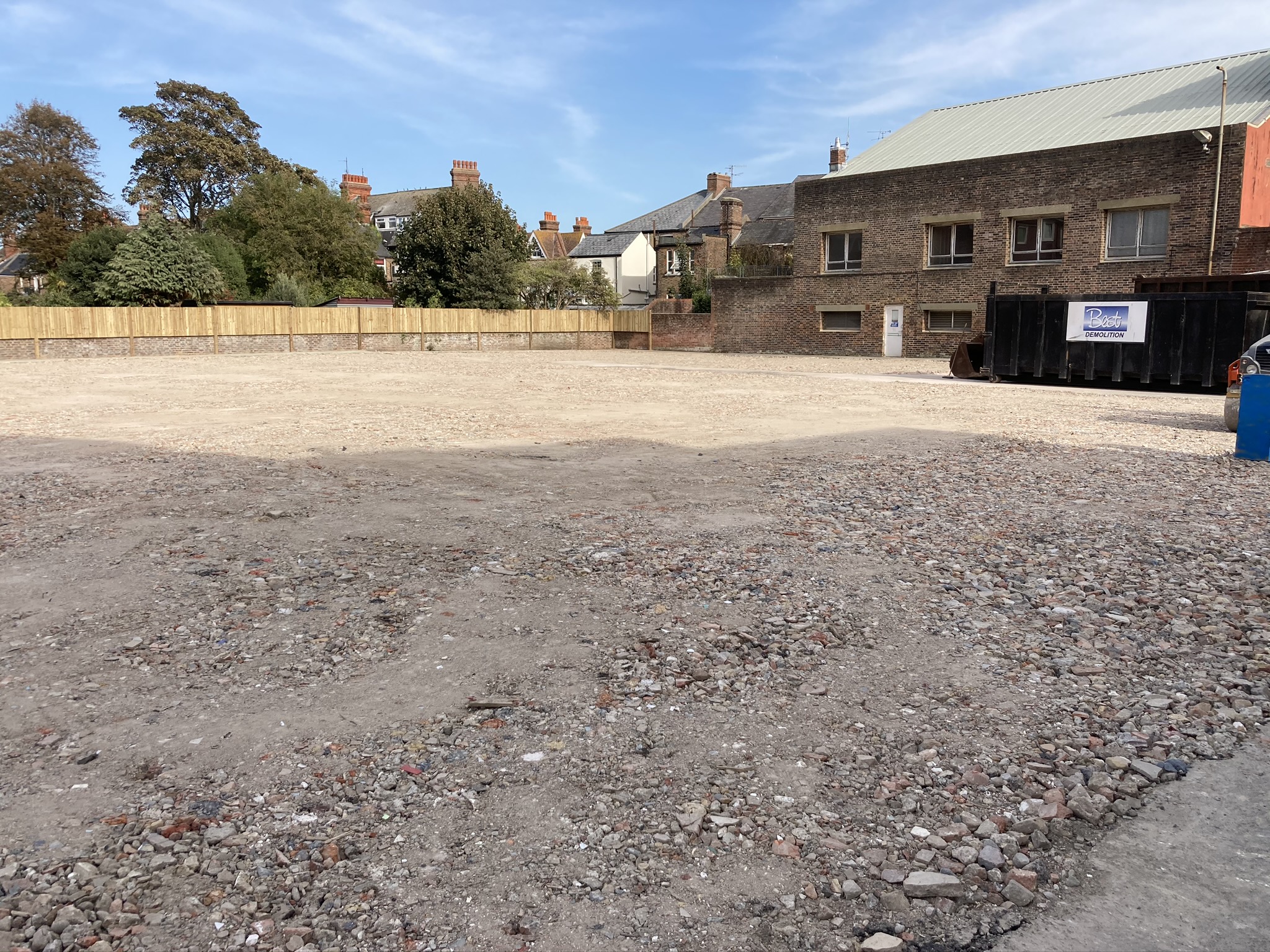
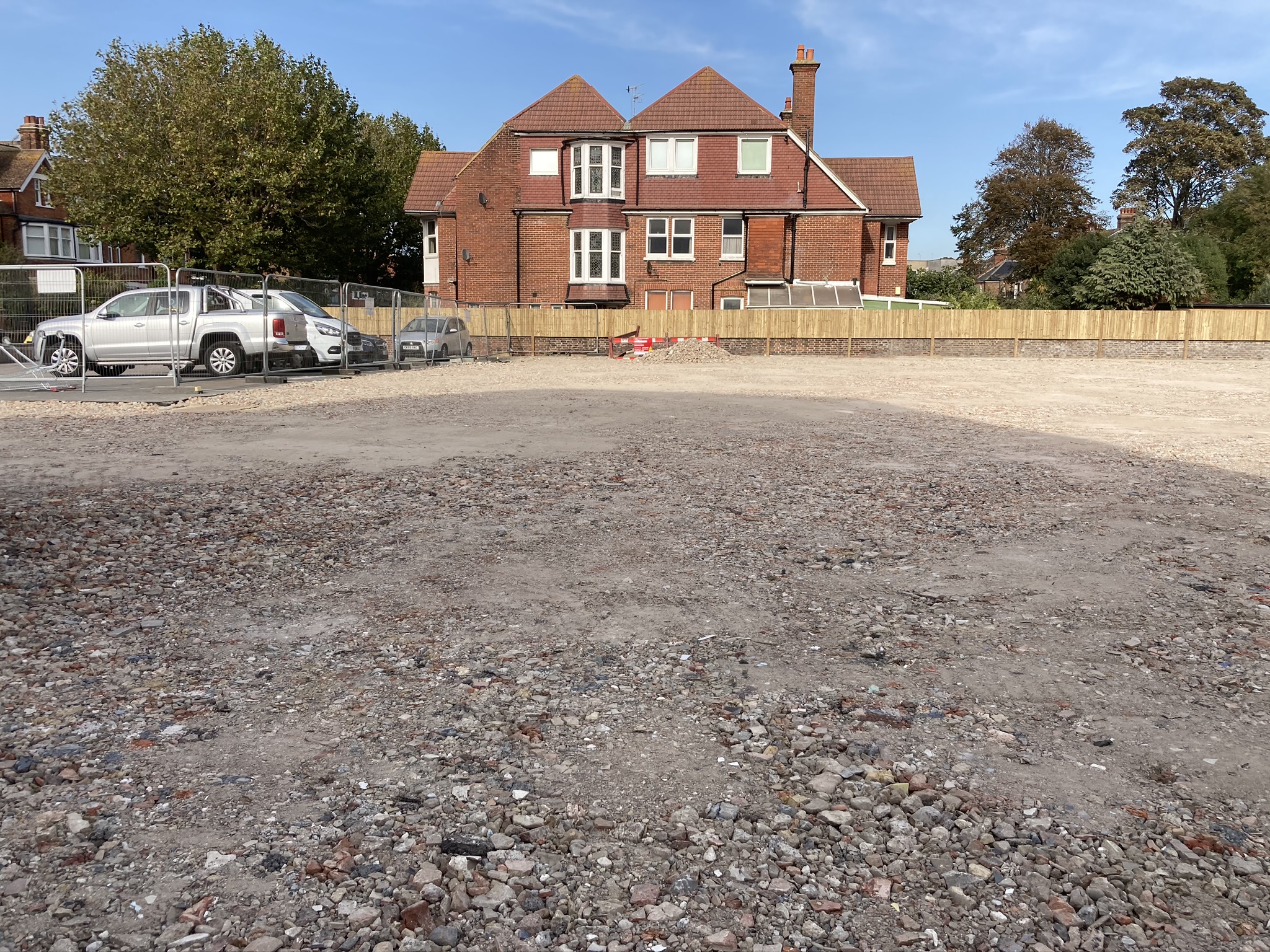
The demolition work was completed ahead of schedule, and all waste materials were promptly cleared from the site. In addition to removing all debris, we addressed the basement area by breaking through the lower slab to allow for water drainage. All retaining walls were reduced by one meter, and the void was backfilled with graded materials sourced on-site, compacted in layers according to engineering specifications. Once the basement was treated, the remaining site was levelled and covered with graded hardcore to create a stable base for potential future developments.
This project demonstrated our team’s commitment to efficient, community-sensitive demolition services. We strictly adhered to safety protocols, environmental standards, and clear client communication, achieving a successful project outcome that met timeline, quality, and community expectations.